
Exploring the cultural significance of gambling in human history
The Origins of Gambling in Ancient Civilizations
Gambling has roots that trace back to ancient civilizations, where it played a significant role in social and economic structures. Archaeological findings indicate that dice, made from animal bones, were used in Mesopotamia around 3000 BCE. The practice of gambling was often associated with religious rituals and social gatherings, exemplifying its early importance in community bonding and decision-making processes. Ancient texts also reveal that various cultures utilized gambling to resolve disputes and predict future events. As people look for ways to enhance their experiences, many are turning to a fast payout casino that promises quick access to winnings.
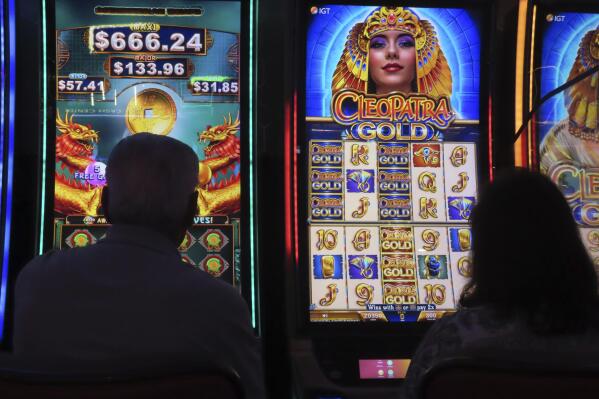
In ancient China, the earliest records of gambling date back to the Shang Dynasty (1600-1046 BCE), where games of chance were integral to the cultural fabric. The development of gambling games, such as keno, served not only entertainment purposes but also acted as fundraising mechanisms for state projects. Similarly, in Rome, citizens engaged in betting activities related to gladiator fights and chariot races, reflecting the intersection of gambling with public spectacle and civic life.
These early examples illustrate that gambling was not merely a pastime but a multifaceted component of social life, serving as a conduit for economic exchange, cultural expression, and even spiritual beliefs. The rituals surrounding these activities offered insights into the values and priorities of ancient societies, emphasizing communal experiences over individual pursuits. As civilizations evolved, so did the complexities of their gambling practices, ultimately shaping the cultural significance of gambling in later societies.
The Role of Gambling in Medieval and Renaissance Society
During the medieval period, gambling became more organized, often taking the form of legal institutions such as lotteries and betting houses. These establishments not only served to entertain the populace but also acted as revenue streams for monarchies and local governments. The lottery, in particular, gained popularity as a way to fund public works, demonstrating how gambling intertwined with civic responsibility and economic stability. It provided a unique avenue for commoners to partake in opportunities previously reserved for the elite.
The Renaissance period marked a resurgence of gambling, reflecting broader changes in European society. With the rise of commerce and exploration, the availability of cards and games such as backgammon and poker proliferated. This era also saw the emergence of gambling as a glamorous activity, often associated with the aristocracy. The lavish lifestyles of nobility became intertwined with high-stakes gambling, cementing its status as both a social activity and a symbol of wealth and power.
As gambling flourished, literature and art began to reflect its cultural significance, often portraying it as a double-edged sword—an avenue for fortune or misfortune. Writers such as Shakespeare included references to gambling in their works, illustrating its moral complexities and the human psychology of risk-taking. The dynamics of gambling during this time period contributed to evolving perceptions of luck, fate, and personal agency, setting the stage for contemporary attitudes toward gambling.
Gambling and Its Psychological Implications
The psychology of gambling is an intriguing aspect that underscores its cultural significance throughout history. The allure of chance and the thrill of risk-taking tap into fundamental human emotions and cognitive processes. Research has shown that gambling activates the brain’s reward pathways, releasing dopamine and creating feelings of excitement and pleasure. This neurobiological response may explain why many individuals are drawn to gambling despite potential risks and consequences.
Additionally, gambling serves as a reflection of social behaviors, coping mechanisms, and identity formation. For many, engaging in gambling activities provides a sense of community and belonging, as individuals gather in casinos or online platforms to share in the experience. The psychological aspects extend to the phenomenon of “gamblers’ fallacy,” where individuals believe past outcomes influence future chances, illustrating how cognitive biases can affect decision-making and risk assessment.
Moreover, gambling can become a means of escapism for some, allowing individuals to temporarily transcend their everyday struggles. This dynamic raises important questions about responsible gambling and the societal implications of promoting gaming activities. While gambling can offer enjoyment and social connection, it is crucial to understand the psychological factors at play to foster healthier relationships with this age-old practice.
Modern Gambling: Cultural Acceptance and Regulation
In contemporary society, gambling has evolved into a multi-billion-dollar industry, with various forms, including online casinos, sports betting, and lotteries becoming mainstream. The cultural acceptance of gambling varies globally, influenced by historical, religious, and social factors. In some regions, gambling is celebrated as a form of entertainment, while in others, it remains stigmatized, showcasing the complex interplay between culture and gambling practices.
The advent of technology has revolutionized the gambling landscape, making it more accessible than ever before. Online casinos and mobile apps provide players with instant access to games, altering traditional gambling dynamics. This shift has prompted discussions around regulation, responsible gaming, and consumer protection, as governments seek to balance economic benefits with the potential for addiction and social harm. Laws and regulations surrounding gambling have become more sophisticated, reflecting societal attitudes toward gaming.
As the gambling industry continues to expand, cultural narratives surrounding it are being redefined. The portrayal of gambling in popular media, from films to television, influences public perception, often romanticizing high-stakes gambling while glossing over the potential pitfalls. The dialogue surrounding gambling now encompasses issues of ethics, equity, and public health, highlighting the need for a more nuanced understanding of its cultural significance in the modern world.

Conclusion: The Enduring Cultural Legacy of Gambling
Gambling’s cultural significance throughout human history cannot be overstated. From ancient rituals and medieval pastimes to contemporary online platforms, gambling reflects the complexities of human nature, societal values, and economic dynamics. As cultures continue to evolve, so too does the practice of gambling, adapting to changes in technology, regulation, and social attitudes.
With increasing awareness of the psychological aspects and societal implications of gambling, it is essential for individuals and communities to navigate this landscape thoughtfully. Responsible gaming practices, combined with robust regulation, will play a vital role in ensuring that gambling remains a source of entertainment without adverse effects on society.
For those interested in exploring this fascinating topic further, the ultimate guide to modern gambling practices offers comprehensive insights and resources. By understanding the rich history and cultural context of gambling, individuals can appreciate its complexities and engage with it more responsibly in contemporary society.